
This
Understanding CBD product labels can be tricky, with terms like “full-spectrum,” “THC levels,” and various ingredients often causing confusion. It’s crucial to know what to look for to make informed decisions.
This guide will break down the key details you need to check on CBD product labels, including how to identify concentrations, verify sources, and recognize important certifications. By the end, you’ll have the knowledge to select high-quality CBD products that best suit your needs.
What key information should be included on a CBD product label?
When looking at a CBD product label, it’s important to check certain details to make an informed decision about safety, effectiveness, and quality. Look for information on cannabinoid concentration, ingredients, dosage recommendations, purity indicators, and whether third-party testing has been done.
These details are essential for anyone considering CBD products. For example, knowing the THC levels helps ensure you understand any psychoactive effects and comply with local laws. Suggested dosage information helps you use the product effectively without overuse.
Safety information, like allergen warnings or manufacturing practices, provides reassurance about health risks. Third-party testing confirms that the product is free from harmful substances and contains the advertised amount of CBD, which builds trust in the brand.
How can I identify the CBD concentration on a product label?
Checking the CBD concentration on a product label is crucial to understand its strength and potential effects. Look for the concentration listed in milligrams (mg) per serving to know how much CBD you get with each dose.
It’s also important to know the differences between full-spectrum, broad-spectrum, and CBD isolate products, as they can affect how the product works.
- Full-spectrum products include a variety of cannabinoids, including THC, potentially enhancing the entourage effect.
- Broad-spectrum products have multiple cannabinoids without THC.
- Isolates contain pure CBD with no other compounds, suitable for those avoiding THC entirely.
Understanding these variations can help individuals choose the right dosage for their needs, ensuring effective use of the product’s strength.
What does ‘full-spectrum,’ ‘broad-spectrum,’ and ‘CBD isolate’ mean on labels?
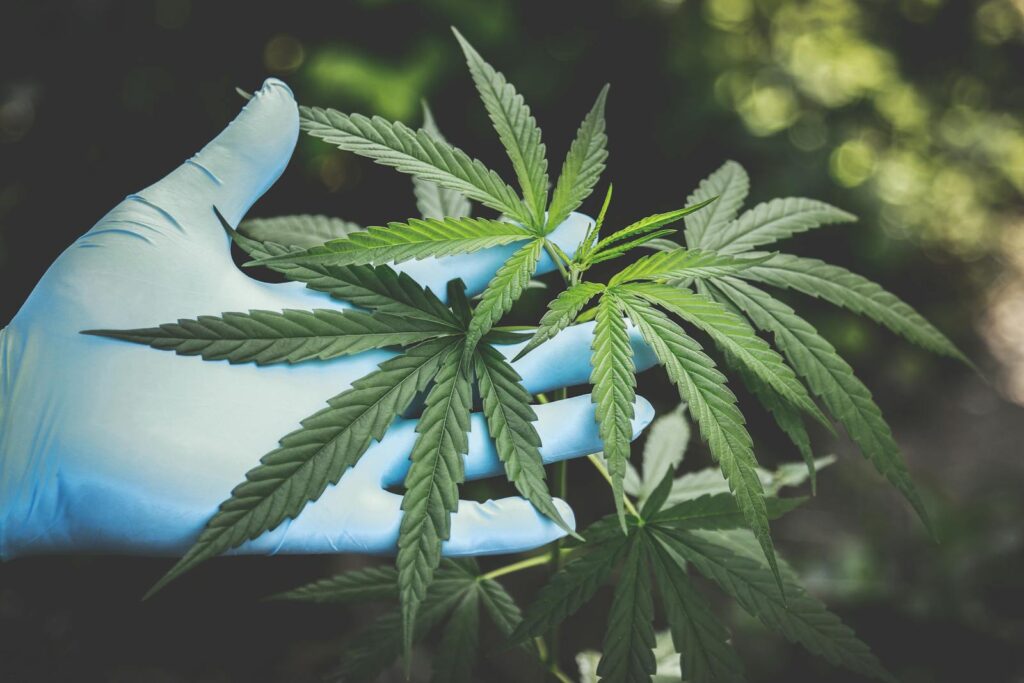
Understanding ‘full-spectrum,’ ‘broad-spectrum,’ and ‘CBD isolate’ labels is important for knowing their health effects. Full-spectrum products contain all cannabinoids, including THC.
Broad-spectrum products have multiple cannabinoids but are THC-free, and CBD isolate contains only pure CBD.
This distinction matters for consumers looking for specific therapeutic effects. Full-spectrum oils use the entourage effect, where cannabinoids, terpenes, and flavonoids work together to boost benefits.
Broad-spectrum products offer similar benefits without THC, suitable for those avoiding psychoactive effects but seeking therapeutic benefits. CBD isolates provide the purest form of CBD, offering simplicity and versatility, especially for those new to using cannabinoids.
How can I verify the source of the hemp used in CBD products?
Checking the source of hemp in CBD products is important for quality and safety. Look for labels that offer details about the hemp’s origin, how it’s grown, and ensure it is organic, non-GMO, and ethically sourced.
Researching the manufacturer is also wise. A reputable company will display certifications like Good Manufacturing Practices (GMP) to show high production standards.
Supply chain transparency is crucial; knowing where and how the hemp is grown helps assess its purity and sustainability. Seek products with third-party testing to confirm the cannabinoid content and check for contaminants, ensuring high quality and consumer confidence.
Why is it important to check for third-party lab testing results on CBD labels?
Third-party lab testing is essential for verifying the safety and effectiveness of CBD products. These tests provide an unbiased review of the product’s cannabinoid profile, purity, and check for harmful contaminants such as pesticides or heavy metals.
Testing ensures consumers can trust that products meet high safety standards. When reviewing lab results, pay attention to the cannabinoid concentrations to ensure they match the product’s claims. Also, check for any potential toxins or contaminants that could pose health risks.
These tests support product integrity and improve consumer safety, promoting a responsible market where informed choices are possible.
What are the implications of THC levels listed on a CBD product label?
The THC levels on a CBD product label can greatly influence its legal status and psychoactive effects. In many areas, products with more than 0.3% THC are illegal, impacting consumer access and safety.
This legal limit restricts the available product types and complicates consumers’ decision-making as they navigate CBD and THC choices. THC can affect a CBD product’s effectiveness through the entourage effect, where cannabinoids work together to enhance therapeutic benefits, impacting health outcomes and psychological effects.
Understanding these factors helps consumers make informed choices, ensuring awareness of both the benefits and risks of different THC levels in products.
How can the ingredients list impact my choice of CBD products?
The ingredients listed on a CBD product label are crucial for your buying decision because they can impact your health. Choose products with high-quality, organic, and non-GMO ingredients to ensure safety and effectiveness.
These components affect the product’s effectiveness and how they work together. Additives like artificial flavors and preservatives can weaken CBD’s benefits and may cause harmful side effects.
Be cautious about potential allergens or chemical solvents used in extracting CBD. Clear labeling is important so you can make informed decisions about what you consume.
Understanding these ingredients is essential, as knowledgeable consumers can better navigate unclear or misleading claims on product packaging.
What certifications should I look for on a CBD product label?
Certifications on a CBD product label are key for indicating quality and compliance with industry standards. Look for certifications like GMP (Good Manufacturing Practices) to ensure the product is made under strict quality controls.
These certifications not only show adherence to safety protocols but also indicate a brand’s commitment to transparency and ethical practices. In an industry filled with misinformation, reliable endorsements can greatly increase consumer trust.
Certifications like COA (Certificate of Analysis) let consumers confirm the presence of active ingredients and ensure no harmful substances are present.
When comparing brands, consumers should prioritize those with visible certifications and encouragement of third-party testing. This diligence ensures they choose products that focus on integrity and safety, leading to better-informed purchasing decisions.
How does the serving size and dosage information affect my usage of CBD products?
The serving size and dosage information on CBD product labels are crucial for ensuring safe and effective use. Understanding these details helps you adjust your intake to match your needs and gain the most health benefits.
Everyone reacts differently to CBD, so it’s best to start with a low dose. This careful approach allows you to see how your body responds, making it easier to adjust over time. Gradually increasing the dosage as necessary can improve your experience with the product.
Different dosages can have different effects; a low dose may offer relaxation and mild relief, while a higher dose might provide stronger benefits. Thus, personal exploration is key to finding the right balance that works for you.
What should I know about the expiration date or shelf life of CBD products based on their labels?
Expiration dates and shelf life on CBD product labels are crucial for maintaining effectiveness and safety. Knowing when a product expires helps you avoid using degraded or ineffective CBD, which might lose its benefits or cause side effects. Understanding these dates helps consumers make informed health decisions.
Proper storage is important, as poor conditions can speed up degradation. Generally, it’s best to store products in cool, dry areas away from sunlight to preserve potency and quality. Always check manufacturer instructions, as different products might have specific storage needs.
For instance, tinctures may need refrigeration, while topical products are usually fine at room temperature. Following these guidelines can extend the effectiveness of CBD products, ensuring users benefit fully until expiration.
By paying attention to expiration dates and proper storage, consumers can maximize the value and safety of their CBD use.
How can I tell if the CBD product is organic or non-GMO from the label?
Knowing if a CBD product is organic or non-GMO is important for buyers seeking high-quality and ethically sourced options. Look for certification labels and clear information about organic farming and non-GMO verification.
These labels help buyers make choices that benefit their health and the environment. Organic products are grown without synthetic pesticides and fertilizers, which support healthier soil and reduce pollution. Choosing non-GMO items supports biodiversity and avoids risks linked to genetically modified organisms.
By choosing these products, individuals protect their health and contribute to sustainable agriculture. This responsible buying helps ensure a healthier ecosystem for future generations.
What claims should raise red flags when reading a CBD product label?
Some claims on CBD product labels may raise concerns about safety and validity. Be cautious of products making extravagant health claims, as these often lack scientific support and could pose safety risks.
Some companies exaggerate product benefits or claim to cure serious conditions. This misleads consumers and can be harmful if people abandon traditional medical treatments.
It’s important to view such labels with skepticism. Look for products that provide clear information, including third-party testing results and detailed ingredient lists.
Checking the credibility of sources behind these claims can also guide informed decisions, helping individuals determine which products truly benefit well-being and which are just following a trend.
Why is it important to check for the manufacturing date on a CBD product label?
Checking the manufacturing date on a CBD product label is important to evaluate its freshness and quality. Older products may not provide the desired effects and can lose their quality.
CBD products have a shelf life, and the time since they were made can affect their potency. As a product ages, its effectiveness can decrease.
Consumers should look for products with a recent manufacturing date to ensure they receive the full benefits. When buying, aim for a date within the last few months.
Also, check for third-party lab testing results to confirm the product’s quality and effectiveness. Choosing reputable brands that are transparent about their manufacturing practices can increase buyer confidence.
How do added flavors and additives affect the quality of CBD products?
Flavors and additives in CBD products can greatly affect their quality and user experience. Some flavors make products taste better, while others might introduce harmful chemicals or allergens that impact safety.
Consumers need to carefully consider ingredient lists to understand what they’re consuming. Clear labeling is important for avoiding harmful substances and choosing products that meet health goals.
By examining the quality of flavors and checking for natural versus artificial additives, consumers can make informed choices that prioritize safety and satisfaction. Understanding how these ingredients interact with the core benefits of CBD can help consumers find products that offer both flavor and effectiveness.
What role does the product’s intended use or benefits play in label information?
The intended uses or benefits of a CBD product, as stated on the label, are important factors in consumer decisions. Knowing the specific benefits can help you choose a product that fits your health goals.
Many CBD products claim to help with stress relief, pain management, or better sleep quality. Consumers often choose these products hoping for less anxiety or more relaxation after a long day.
Common health benefits linked to CBD include potential anti-inflammatory effects and support for overall wellness. When selecting a product, it’s important to consider these claims; for instance, someone seeking better sleep might choose CBD tinctures marketed for nighttime use.
Clear labeling helps individuals match their choices with their expected results, improving their overall experience with CBD.
How can the label help me understand the extraction method used for the CBD?
The extraction method for CBD greatly influences the quality and purity of the product, which is usually noted on the label. Check for details about the extraction process, like CO2 extraction, known for its purity and safety.
Consumers should also consider methods such as ethanol extraction or oil infusion, as each affects the cannabinoid profile and product effectiveness differently. Understanding these methods helps identify potential contaminants and the product’s overall effectiveness.
Manufacturers being transparent about their extraction processes allows consumers to make informed choices about CBD products. Knowing these aspects not only helps in choosing higher-quality items but also ensures individuals focus on their health and safety when adding CBD to their wellness routines.
Why is transparency in labeling crucial for CBD product safety and efficacy?
Transparency in labeling is important for the safety and effectiveness of CBD products, as it helps consumers make informed decisions about their purchases. Clear and accurate labels simplify complex information, enabling consumers to understand what they are using and its potential effects.
When consumers see transparent labeling, it builds trust in the brand and the industry. This trust is crucial for customer loyalty and encourages responsible practices among manufacturers.
Third-party testing is key to transparency efforts; independent labs verify product contents and ensure they meet safety standards, giving consumers peace of mind.
The results of these tests should be easily accessible, allowing consumers to understand the product’s quality and potency, which contributes to safer and more informed purchasing decisions.
How do CBD product labels vary between different types of products (oils, edibles, topicals)?
CBD product labels differ greatly depending on the type of product, such as oils, edibles, and topicals, each requiring specific information. Understanding these differences helps consumers choose based on their preferred method of consumption.
For CBD oils, consumers should look for concentration levels and suggested dosage, making it clear how many drops to take for the desired effects.
For edibles like gummies, labels usually include CBD content per piece and recommended serving size, helping users determine safe consumption.
Topical products typically specify the intended use, such as relief for muscle soreness, and detail the exact amount of CBD present, allowing for effective usage.
Being aware of these labeling differences can enhance consumer confidence and ensure safe usage.
What are the legal requirements for CBD product labeling in my region?
Legal requirements for CBD product labeling vary by region, making it important for consumers to understand the regulations in their area. Following these regulations ensures products are safe, accurately labeled, and meet industry standards.
Navigating the legal landscape around CBD can be challenging because federal guidelines from agencies like the FDA may differ from state and local laws. Some states have stricter standards, while others are still developing their rules.
To stay informed, consumers can use resources such as government websites, industry associations, and legal databases that offer up-to-date information on CBD laws. Reputable CBD retailers often share their compliance practices, providing transparency and assurance for consumers looking for quality products in a changing market.
How to interpret marketing terms commonly found on CBD labels?
Understanding marketing terms on CBD labels is important for making informed product choices. Words like ‘natural,’ ‘pure,’ or ‘premium’ can be unclear without specific definitions and evidence.
Consumers should look into the details behind these labels, checking not only the claims but also the certifications and test results supporting them. For example, ‘natural’ might seem appealing, but it’s important to know if it means the product is free of synthetic ingredients or just less processed.
Similarly, if a product is labeled ‘full-spectrum,’ verify that it actually includes a complete range of cannabinoids and terpenes. By asking questions or looking for third-party lab analysis, individuals can better judge the authenticity and quality of products they choose.
How can I ensure I’m buying high-quality CBD products based on their labels?
To ensure you are buying high-quality CBD products, carefully examine the product label. Look for third-party testing results, certifications, and clear information about sourcing and manufacturing practices.
Pay attention to the cannabinoid profile listed on the label, as it indicates the potency and range of compounds present. A high-quality product will detail not only the CBD concentration but also other beneficial cannabinoids and terpenes, providing a fuller understanding of the product’s benefits.
Check if the hemp is grown organically and sustainably to confirm the product’s quality. By being well-informed and diligent, you can choose products that meet high industry standards.
What resources are available to help me understand CBD product labels better?
Various resources can help consumers better understand CBD product labels, improving their knowledge and decision-making. Online platforms, educational articles, and industry guidelines offer insights into label interpretation.
Reputable organizations like the Hemp Industry Association and the Association of Official Agricultural Chemists provide guidelines to help consumers navigate CBD products. Websites such as ProjectCBD and the National Cannabis Industry Association are rich with resources, including articles, lab testing info, and explanations of common label terms.
Local community workshops and online webinars provide interactive opportunities for individuals to ask questions and gain a deeper understanding of CBD, helping them feel confident when making purchases.
What questions should I ask a retailer about their CBD product labels for clarity?
Asking the right questions about a retailer’s CBD product labels can help you make informed purchasing decisions. Ask about third-party testing results, manufacturing practices, and ingredient sources to gauge product quality.
- Find out if the products are full-spectrum, broad-spectrum, or isolate, as this affects their impact.
- Check the extraction method, such as CO2 extraction, since this influences potency and purity.
- Ask about the cannabinoid profile and if there are any artificial additives or fillers.
By asking these questions, you ensure honest answers and gain the knowledge needed to choose the right CBD products.