Navigating the Challenges of Marketing CBD Products: Insights from a Business Perspective
Marketing CBD products can feel like navigating a maze of regulations, platform restrictions, and consumer skepticism. As a business owner in the cannabis industry, I’ve faced these challenges firsthand and have learned what works—and what doesn’t. Here’s a practical look at the difficulties and the viable options for marketing CBD products.
Why Marketing CBD is Hard
Advertising Restrictions Platforms like Google Ads, Facebook, and Instagram have strict policies against CBD ads, even if your product complies with federal regulations. This significantly limits pay-per-click (PPC) advertising opportunities, a common strategy for most businesses.
Compliance Complexity CBD is federally legal under the 2018 Farm Bill, but the FDA has not fully approved CBD for many uses, and state laws vary. Missteps in claims about benefits can lead to legal trouble or flagged content.
Consumer Trust Issues Due to misinformation and a flood of low-quality products, many potential customers are skeptical. Differentiating your brand from competitors and building credibility takes extra effort.
Payment Processor Limitations Many payment processors classify CBD businesses as high-risk, leading to higher fees or outright rejection.
Marketing Options for CBD Businesses
Despite the challenges, there are ways to effectively market CBD products. Here’s what has worked for me and other industry professionals:
1. Content Marketing
SEO-Focused Blogs: Write about topics like “CBD Benefits for Pain Relief” or “How to Choose the Best CBD Product.”
Educational Resources: Build trust by offering free guides or videos explaining how CBD works, legal considerations, and safety tips.
2. Email Marketing
Develop an email list through website sign-ups or promotions.
Share exclusive discounts, product updates, and educational content to keep your audience engaged.
Use segmentation to send tailored messages to different customer groups (e.g., beginners vs. experienced users).
3. Influencer Partnerships
Partner with influencers in health, wellness, or fitness spaces who have audiences that align with your brand.
Look for micro-influencers (5,000–50,000 followers) who can provide authentic endorsements.
4. Affiliate Marketing
Create an affiliate program to incentivize bloggers, influencers, and websites to promote your products in exchange for a commission.
5. Trade Shows and Events
Attend cannabis expos, wellness fairs, and trade shows to showcase your brand and connect directly with potential customers.
6. Retail and Wholesale Partnerships
Collaborate with local stores, spas, or wellness clinics to carry your products.
Build partnerships with distributors to expand your reach.
7. Social Media (Organic)
While ads may be restricted, organic strategies still work. Share customer testimonials, educational content, and behind-the-scenes looks at your business.
Use hashtags like #CBDCommunity and #HempLife to increase visibility.
8. Creative Packaging and Branding
Stand out with professional, eye-catching packaging that clearly communicates your product’s benefits and legal compliance.
9. Local Advertising
Explore local newspapers, radio stations, and billboards, which may have fewer restrictions than digital platforms.
Key Takeaways
Marketing CBD products is challenging, but with persistence and the right strategies, it’s possible to build a strong brand presence. Focus on education, transparency, and community engagement to gain consumer trust. Combine multiple marketing approaches to diversify your efforts and reduce reliance on any single channel.
Success in CBD marketing doesn’t happen overnight, but with the right mindset and strategies, you can thrive in this growing industry.
Navigating the world of CBD products can be complex, particularly when it comes to understanding the regulations for CBD creams and edibles. Although each product type offers unique benefits, they are governed by different rules that impact labeling, marketing, safety testing, and consumer perceptions.
This article outlines the primary regulatory differences between selling CBD creams and edibles, highlighting what these distinctions mean for businesses and consumers alike. Whether you’re a retailer, manufacturer, or simply curious about CBD, you’ll find valuable insights here.
What are the key regulatory differences between selling CBD cream and CBD edibles?
When selling CBD products, it’s important to understand the regulatory differences between CBD cream and CBD edibles to navigate the complexities of the cannabis industry. Each type faces specific challenges related to legality, federal rules, and state laws that affect business operations.
CBD creams are often treated as topical products without psychoactive effects, while edibles face stricter regulations due to ingestion methods and potential health benefits. Both forms must meet safety standards, testing, and labeling requirements to build consumer trust and reduce legal risks.
Businesses must deal with varying state laws that can differ greatly, leading to confusion and compliance issues. Federal regulations provide a basic guideline, but these vary by state, complicating matters for sellers.
Understanding these regulatory frameworks is key for legal compliance and maintaining a reputable brand in the changing CBD market.
How are CBD products classified under current regulations?
Current regulations classify CBD products based on their cannabinoid content and source, including hemp-derived and marijuana-derived formulations. The THC content, whether within legal limits or not, significantly determines the classification and legality of these products. This classification affects their compliance with federal regulations, market positioning, and consumer perception.
Hemp-derived CBD usually contains less than 0.3% THC, making it legal in many places. In contrast, marijuana-derived options often have higher THC levels, leading to stricter regulations or bans in some areas.
This distinction influences product availability and shapes market trends as consumers prefer low-THC options for their perceived safety and legality. As a result, consumers look for products that clearly indicate their cannabinoid profiles, helping them choose products that match their preferences and legal requirements.
What are the specific regulations governing the sale of CBD creams?
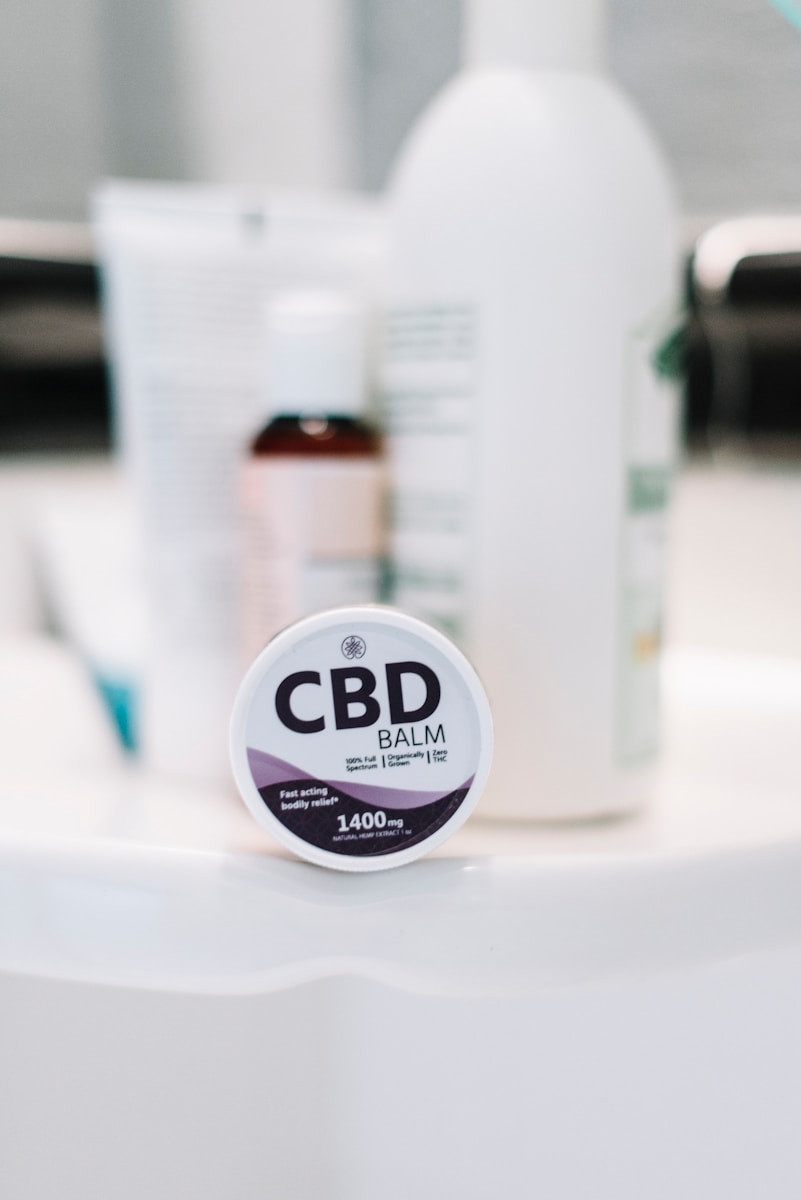
The sale of CBD creams is regulated to ensure product safety and proper labeling. As a topical product, CBD creams must comply with health regulations for consumer protection and product effectiveness. This involves standards for ingredient sourcing, manufacturing practices, and quality control, which help build market trust.
These regulations require clear and accurate ingredient labels so consumers can make informed choices. Businesses must ensure their products are both effective and safe, following strict testing and quality assurance protocols.
Meeting these safety standards boosts product credibility and protects user health. Not complying can result in legal issues and loss of consumer trust, highlighting the importance for companies to be careful in production and transparent in marketing.
What are the specific regulations governing the sale of CBD edibles?
CBD edibles are subject to specific regulations due to their ingestion method and the potential effects of cannabinoids. Regulatory bodies enforce strict rules on product safety, dosage, and labeling to ensure consumers are fully informed about ingredients and health claims. Businesses entering the CBD edibles market must understand these regulations to navigate its complexities.
Navigating these regulations can be challenging, especially when trying to comply without compromising product quality. Many businesses face difficulties adapting to the ever-changing legal landscape, which often differs by state or region, making distribution more complicated.
Ensuring product safety is crucial; companies need to prioritize testing to prevent contamination and guarantee precise dosing. Educating consumers on the benefits and proper use of CBD edibles is also important for standing out in a crowded market.
To succeed, businesses should develop sales and marketing strategies focused on transparency and building consumer trust, improving the overall perception of CBD products.
How do labeling requirements differ for CBD creams and edibles?
Labeling requirements for CBD creams and edibles vary greatly due to different regulations for each product type. For CBD creams, labels must focus on ingredient transparency, product effectiveness, and clear health claims.
In contrast, CBD edibles have stricter guidelines for dosage information, nutritional facts, and potential psychoactive effects because of how they are consumed. Meeting these labeling standards is crucial for businesses to gain consumer trust and avoid legal issues.
For CBD creams, ingredient lists must be clear, detailing all active and inactive components, including CBD concentration, potential allergens, and whether the product was third-party tested.
CBD edibles, on the other hand, need clear dosage information to prevent overconsumption and to inform users about any psychoactive effects. Proper nutritional labeling is also important for those tracking their dietary intake.
By following these essential requirements, businesses demonstrate their commitment to consumer safety and transparency, enhancing their reputation in a quickly changing market.
What are the potential legal challenges when selling CBD creams compared to edibles?
The legal challenges of selling CBD creams differ from those of edibles because of varying regulatory scrutiny and consumer perceptions. CBD creams often face fewer restrictions, while edibles deal with complex issues concerning dosage, labeling, and possible psychoactive effects.
Understanding these challenges is crucial for navigating the changing landscape of cannabis products.
As the CBD market grows, companies must closely follow state and federal regulations, which can change frequently. Failure to comply can lead to legal penalties and harm brand reputation, so it is important for businesses to have strong compliance strategies.
Current trends show a growing consumer demand for transparency and quality assurance, pushing many producers to focus on third-party testing and clear labeling.
In the future, standardized regulations could change the industry, building trust and expanding market opportunities for both creams and edibles. As these regulatory frameworks become more unified, businesses might create innovative products that meet legal standards and satisfy a more discerning consumer base.
How does the source of CBD (hemp vs. marijuana) affect regulatory requirements for both products?
The source of CBD—whether from hemp or marijuana—significantly impacts regulatory requirements for products. Hemp-derived CBD usually contains less than 0.3% THC, which makes it more widely legal and compliant with federal laws. In contrast, marijuana-derived CBD often faces more regulations due to higher THC levels and different state laws. Businesses in the CBD market must understand these differences.
This distinction affects marketing strategies and the level of market access, especially in states with strict marijuana laws. For businesses dealing with hemp-derived CBD, adhering to a generally accepted federal framework eases distribution and retail efforts.
Companies focusing on marijuana-derived CBD face complex legal requirements that vary across states, which may restrict options for product potency and formulation. It’s important for companies to recognize that these regulatory details influence not only legality but also consumer perception and brand positioning in a competitive market.
What role do state laws play in the sale of CBD creams and edibles?
State laws are crucial in determining the rules for selling CBD creams and edibles, often resulting in a mix of compliance requirements for businesses. Each state has its own legal restrictions on cannabis products, affecting market access, distribution strategies, and consumer education. Understanding these regulations is key to ensuring compliance and reducing legal risks.
Differences in regulations create challenges for businesses, especially regarding product formulations, labeling requirements, and advertising practices, which vary by state. For example, some states permit high-THC CBD products, while others strictly limit THC content, influencing product development choices. These differences can confuse consumers and complicate inventory management for retailers.
As companies seek to expand, they need to stay updated on legislative changes and adjust their strategies. This ongoing legal evolution affects not only operational decisions but also how consumers view the safety and reliability of CBD products.
How can marketing strategies differ between 5000 mg CBD creams and edibles due to regulation?
Marketing strategies for 5000mg CBD creams and 5000 edibles must differ due to the different regulations for each product type. Promoting CBD creams may allow for broader claims about therapeutic uses and wellness, while marketing edibles requires focusing on compliance with labeling regulations and educating consumers about dosage and potential psychoactive effects. Navigating these regulatory rules is crucial for creating effective marketing campaigns. One of the best companies that does this is Quiet Monk CBD. Check out how they do it for 5000 mg CBD cream.
For CBD creams, marketers can highlight the soothing effects and skin health benefits, often using testimonials and user experiences to connect with potential buyers. In contrast, marketing edibles should focus on transparency and education, emphasizing the importance of understanding serving sizes and the effects of different cannabinoid concentrations.
By aligning strategies with compliance requirements and tapping into consumer trends like the increasing demand for natural wellness products, companies can effectively engage their audiences and build trust in a rapidly evolving market.
What safety and testing requirements must be met for CBD creams versus edibles?
Safety and testing requirements for CBD creams and edibles differ greatly, with each product type having distinct compliance standards to ensure consumer safety and effectiveness. CBD creams are tested for potency, purity, and absence of harmful contaminants, while edibles undergo strict testing for dosage accuracy, ingredient sourcing, and potential psychoactive effects.
Understanding these regulations is crucial for maintaining product safety and consumer trust.
Both product categories must follow guidelines from authorities focused on public health. Detailed lab testing is essential to confirm that products meet safety standards, offering consumers peace of mind.
Companies entering the CBD market must navigate complex legal requirements that affect how their products are marketed and sold. Non-compliance can have serious consequences, impacting market access.
Adhering to testing requirements ensures the safety and quality of CBD creams and edibles and enhances brand credibility in a competitive market.
How do consumer perceptions and market demand affect regulatory considerations for CBD products?
Consumer perceptions and market demand heavily impact regulations for CBD products, as businesses adjust their strategies to match consumer awareness and preferences. Increased interest in CBD’s health benefits has led to higher demand for creams and edibles, prompting regulators to update compliance standards for safety and efficacy.
Understanding consumer sentiment is critical for navigating changing regulations.
As consumers become more informed about CBD’s benefits and risks, their preferences drive product development, pushing manufacturers to prioritize transparency and quality. This awareness shapes market trends and encourages regulators to create guidelines that protect consumers from misinformation and low-quality products.
Consumer education is crucial for fostering trust and promoting responsible CBD use, benefiting the entire industry. As a result, companies are increasingly focusing on compliance as a competitive edge, knowing that following regulations protects their reputation and strengthens consumer confidence.
What are the implications of FDA guidance on CBD creams and edibles?
The FDA’s guidance on CBD creams and edibles significantly impacts how businesses create their products and ensure compliance.
This regulatory framework affects marketing strategies by controlling how companies can advertise their products and shaping consumer views on safety and effectiveness.
For example, businesses must back health claims about CBD with scientific evidence, leading to more thorough product testing and transparency.
Companies may need to adjust their products to meet regulatory standards and avoid misleading labels that could misinform consumers.
Increased awareness of these regulations can help consumers make informed choices, improving market integrity and pushing brands to focus on quality and compliance.
How do hemp-derived CBD regulations impact the sale of creams and edibles differently?
Regulations on hemp-derived CBD significantly influence the sale of creams and edibles, affecting their legal status and compliance standards. Hemp-derived products are generally more accepted under federal law, allowing them wider market access and fewer restrictions compared to those from marijuana. This difference is crucial for how businesses market their CBD products.
However, navigating these regulations poses compliance challenges that companies must address carefully. For example, creams with hemp-derived CBD may reach the market faster, but labeling, dosage, and marketing claims still require careful compliance with federal and state laws.
Concurrently, changing consumer perceptions of hemp-derived products offer new market opportunities, as buyers look for wellness items with natural ingredients. As entrepreneurs adapt to legal changes, the emphasis on safety and transparency in the CBD market can boost brand loyalty and consumer trust, supporting growth in this competitive field.
What are the labeling and marketing claims allowed for CBD creams versus edibles?
Labeling and marketing for CBD creams and edibles are governed by different regulations that determine what businesses can say to consumers. For CBD creams, claims often focus on therapeutic uses, non-psychoactive effects, and product safety. In contrast, edibles face stricter rules that limit health claims and require accurate dosage and clear ingredient lists. Understanding these regulations is crucial for effective marketing.
CBD creams can mention benefits like moisturizing or relief from localized discomfort. However, edibles must take a cautious approach, detailing onset times and effectiveness based on precise dosage information. Labels for CBD edibles should avoid suggesting treatment for specific health conditions to prevent misleading consumers and regulatory issues.
Therefore, businesses must focus on educating consumers to promote informed choices while following legal guidelines, making sure all product information is accurate. This highlights the need for transparent communication strategies that connect with both current and potential customers.
How do international regulations affect the sale of CBD creams and edibles in different markets?
International regulations greatly affect the sale of CBD creams and edibles, creating various compliance requirements businesses must meet in different markets. Each country has its own rules about CBD legality, which complicates exporting and importing these products and influences market access and consumer trust. Understanding these regulations is crucial for businesses aiming to expand in the global CBD market.
Navigating these regulations brings both challenges and opportunities for CBD businesses. While some regions have strict rules about THC levels and sourcing, others have more relaxed regulations that encourage innovation and market entry.
To succeed, businesses must stay vigilant and adaptable, investing in strong compliance systems that meet regulatory requirements and build consumer trust. Those who understand international laws can capitalize on new markets, form strategic partnerships, and stand out in a competitive environment.
What are the common misconceptions about selling CBD products from a regulatory standpoint?
Misunderstandings about the legal aspects of selling CBD products can cause major problems for businesses. A common belief is that all CBD products are legal under federal rules, but in truth, compliance varies significantly by state and product type, especially between creams and edibles.
It’s important to clarify these misconceptions to navigate the complex regulations around CBD.
Due to the fast-changing nature of regulations, it’s important for business owners to stay updated on federal and state-specific laws that affect manufacturing, marketing, and distribution.
Many think that keeping THC content below 0.3% is enough, but this misses other compliance issues like labeling, health claims, and third-party testing requirements.
Businesses that don’t understand the regulatory details risk fines or legal actions, emphasizing the importance of staying informed and following evolving standards.
How does product formulation impact regulatory scrutiny for CBD creams compared to edibles?
Product formulation is crucial in determining the regulatory scrutiny that CBD creams and edibles face.
The way a product is formulated affects both regulations and consumer perceptions of safety and effectiveness. For example, adding ingredients like essential oils or preservatives to CBD creams can complicate compliance, leading to inspections and requiring clear labeling.
On the other hand, CBD edibles must meet detailed guidelines related to potency and ingredient sourcing, often requiring strict quality control. This increased regulatory focus ensures that products are accurately represented, reducing risks of mislabeling or contamination.
Therefore, businesses should prioritize accurate formulation to meet safety standards and consumer expectations, building trust in the growing CBD market.
What are the advantages and disadvantages of selling CBD cream vs. CBD edibles from a compliance perspective?
Selling CBD cream and edibles has specific pros and cons from a compliance perspective that businesses need to consider.
CBD creams face fewer regulatory restrictions since they are applied to the skin, offering more flexibility in marketing and distribution. However, they may be limited in what effectiveness claims they can make, possibly affecting consumer perception and trust.
On the other hand, CBD edibles are subject to stricter rules, especially concerning dosing, labeling, and potential psychoactive effects. This increased oversight makes compliance harder but signals higher consumer interest, encouraging innovation and product differentiation in this category.
Companies must carefully evaluate these regulatory factors when developing products, as they are key to market access and business success. Understanding these factors not only helps with compliance but also affects branding and customer engagement strategies, highlighting the importance of careful navigation in this changing landscape.
What steps should businesses take to ensure regulatory compliance for both product types?
To comply with regulations for CBD creams and edibles, businesses need to be proactive about understanding safety standards, labeling requirements, and legal obligations. This means conducting regular audits, maintaining quality control, and staying informed on federal and state regulation changes. Sound compliance protocols are crucial for reducing legal risks and gaining consumer trust.
One of the first steps is to understand both FDA and state guidelines for CBD products. It’s important to create labels that accurately list ingredients, dosages, and potential allergens, ensuring they meet compliance standards.
A strong quality management system helps ensure products meet safety standards, including testing batches at accredited labs to verify cannabinoid content and ensure they are free of harmful substances.
Ongoing staff training on compliance updates is also vital for maintaining a team that adheres to high industry standards. By following these strategies, businesses can better manage compliance challenges, enhancing consumer confidence and improving brand reputation.
How can businesses stay updated on changing regulations affecting CBD products?
For businesses in the CBD market, keeping up with changing regulations is key to staying compliant and adjusting to market trends.
One effective way to do this is by attending industry conferences and seminars where experts discuss upcoming changes and best practices.
Online platforms that focus on legal updates can also be useful resources. Engaging with peers in industry forums fosters collaboration, allowing companies to share insights and strategies. Implementing compliance checklists and reviewing internal processes can help ensure readiness for new legislation.
In this rapidly changing market, these strategies help businesses remain competitive while following legal requirements, highlighting the importance of being proactive in understanding CBD regulations.
What are the best practices for labeling CBD creams and edibles to avoid regulatory issues?
Following best practices for labeling CBD creams and edibles is key to avoiding regulatory problems and meeting safety standards. Labels should clearly list ingredients, dosage, health claims, and potential side effects to minimize legal risks and build consumer trust.
Transparency in labeling helps consumers make informed choices. Brands should provide detailed information about cannabinoid content, the origin of the hemp, and results from third-party lab tests to confirm the product’s quality and effectiveness.
Using clear language and avoiding misleading claims ensures compliance with regulations and helps build a loyal customer base that values honesty. Proper labeling not only protects consumers but also supports the growing standards of the CBD industry, promoting sustainable growth.
How do different jurisdictions approach the regulation of CBD-infused products?
Different areas have their own rules for regulating CBD-infused products, creating a complex legal environment for businesses. Some regions have lenient regulations that encourage market growth, while others have strict rules that can limit product availability and consumer access.
Understanding these differences is crucial for businesses wanting to succeed in the CBD market.
For example, in the United States, regulations vary widely by state. Some states allow the sale of hemp-derived CBD products, while others have strict restrictions. In the European Union, regulations focus more on consumer safety and transparency, requiring companies to meet high testing and labeling standards. In countries like Canada and Australia, CBD products often follow pharmaceutical regulations, which can restrict market entry but also increase consumer trust.
These variations mean that businesses need to adjust their compliance strategies and tailor their marketing to meet the unique requirements and legal demands of each market.
What impact does consumer education have on the regulatory landscape for CBD products?
Consumer education is crucial in shaping the regulations for CBD products, affecting public views and compliance standards. As consumers learn more about the health benefits and risks of CBD, their demand for transparency and safety influences regulatory decisions.
Informed consumers can push for stricter regulations to ensure product quality and effectiveness, leading manufacturers to meet higher standards. This grassroots movement enhances industry credibility and encourages lawmakers to focus on consumer protection in regulations.
By understanding CBD dosage, sourcing, and processing methods, consumers can influence market trends, pushing brands toward more ethical practices. As awareness grows, educated individuals can drive changes in compliance expectations, fostering a market where safety and innovation thrive.
How do recalls and safety incidents affect regulatory processes for CBD cream and edibles?
Recalls and safety incidents significantly affect the rules and regulations for CBD cream and edibles, often leading to stricter compliance requirements and more scrutiny from regulatory bodies. When safety issues occur, businesses must manage product recalls while meeting updated standards to protect consumers. Understanding these processes is crucial for compliance and maintaining brand reputation.
These incidents often cause industry-wide changes, prompting other businesses to reassess their compliance practices and product formulations. In response to public concerns, regulatory agencies might introduce new guidelines requiring more rigorous testing and ingredient transparency.
This change raises safety standards and impacts market strategies, as companies may need to invest in additional quality assurance measures to meet evolving regulations.
By prioritizing consumer safety, businesses can reduce the risk of future recalls and strengthen their market position amid growing competition.
What resources are available for businesses to navigate the regulatory landscape for CBD products?
Many resources are available for businesses navigating the regulations for CBD products, offering important legal guidance and compliance support.
Businesses can seek help from industry associations like the Hemp Industries Association or the National Hemp Association, which provide expertise and advocacy for their members. Consulting legal experts in cannabis law is important, as they offer personalized advice and ensure businesses comply with all local, state, and federal regulations.
Regulatory agencies issue guidelines and updates to inform manufacturers about compliance standards. Using these resources helps businesses stay updated on changes and improves transparency, boosting consumer trust and supporting growth in the fast-changing CBD market.
Cannabis retailers in the USA face many challenges. Despite the growing legalization of cannabis across states, retailers must navigate a complicated landscape of laws, market competition, financial restrictions, and social stigmas. This blog outlines the primary hurdles affecting cannabis retailers and how these issues impact their businesses.
1. Legal Complexity
Cannabis legalization in the USA is not uniform. States have the authority to regulate cannabis, leading to varied laws across the country. Retailers must comply with state and local laws, including licensing, zoning, and operational requirements. For instance, some states require detailed tracking of cannabis products from cultivation to sale. Others enforce strict advertising restrictions, making it difficult to reach new customers.
On a federal level, cannabis remains classified as a Schedule I substance. This classification creates conflicts between state and federal laws, leaving retailers vulnerable to federal enforcement. For example, transporting cannabis across state lines—even between two legal states—remains illegal under federal law.
2. Financial Barriers
Banking remains one of the biggest obstacles for cannabis retailers. Due to federal regulations, many banks avoid working with cannabis businesses. Retailers often operate on a cash-only basis, making them targets for theft and creating logistical challenges.
Payment processing is another hurdle. Most major credit card companies will not allow cannabis transactions, forcing retailers to use alternative systems. These solutions can be expensive and less secure than traditional banking.
Additionally, cannabis businesses face higher taxes under Section 280E of the Internal Revenue Code. This regulation prohibits businesses dealing in controlled substances from deducting normal business expenses, significantly reducing profitability.
3. Market Competition
The cannabis industry is growing, but so is the competition. New dispensaries open regularly, creating saturation in some markets. Retailers in competitive regions must work harder to differentiate themselves. Price wars are common, driving down profit margins.
Larger cannabis corporations with extensive resources often dominate the market, leaving small and independent retailers struggling to compete. These corporations benefit from economies of scale, allowing them to offer lower prices and invest heavily in marketing.
4. Stigma and Public Perception
Although public opinion toward cannabis has shifted in recent years, stigma still exists. Some consumers remain hesitant to purchase cannabis products due to lingering societal judgments. Retailers in conservative areas may also face opposition from local communities, making it harder to attract customers.
In addition, landlords, vendors, and service providers may be reluctant to work with cannabis businesses, viewing them as risky or controversial. This can limit options for retail locations and partnerships.
5. Advertising and Marketing Restrictions
Cannabis retailers face strict advertising regulations in most states. Restrictions may include bans on certain media platforms, limits on targeting minors, and rules against making specific claims about product effects. Social media platforms, such as Facebook and Instagram, often ban cannabis-related advertisements, further limiting marketing options.
Retailers must find creative ways to market their products while staying compliant. Many turn to local events, community partnerships, and educational campaigns to build brand awareness.
6. Supply Chain Challenges
The cannabis supply chain is heavily regulated, creating potential bottlenecks for retailers. For example, some states require all products to be tested at licensed labs, which can delay distribution. Limited availability of testing facilities can lead to shortages or inconsistencies in product quality.
Retailers also face inventory challenges due to unpredictable consumer demand. Overproduction in some states, like Oregon, has led to falling prices, while other states struggle with supply shortages. Maintaining the right balance of inventory can be difficult in such a volatile market.
7. Employee Training and Retention
The cannabis industry requires specialized knowledge. Retail staff must understand product types, effects, and proper dosing to educate customers effectively. This level of expertise demands thorough training, which can be costly and time-intensive.
Retention is another issue. As the industry expands, experienced employees often move to higher-paying jobs with larger companies. Retailers must invest in competitive salaries and benefits to retain top talent.
8. Regulatory Compliance Costs
Staying compliant with state and local regulations is expensive. Licensing fees alone can be tens of thousands of dollars annually. Retailers must also invest in security systems, employee training programs, and compliance software to meet legal requirements.
Non-compliance can result in severe penalties, including fines, license suspension, or even closure. Many retailers struggle to allocate resources to compliance while maintaining profitability.
9. Social Equity Requirements
Some states have implemented social equity programs to address disparities caused by the war on drugs. These programs aim to support individuals from communities disproportionately affected by cannabis prohibition. While the goal is commendable, compliance with social equity requirements can add complexity for retailers.
Retailers may need to partner with equity applicants or meet specific hiring quotas. Navigating these programs requires additional time, resources, and understanding of local policies.
10. Evolving Consumer Preferences
The cannabis market is evolving rapidly. Today’s consumers expect a wide range of products, including edibles, concentrates, topicals, and more. Retailers must adapt to changing preferences by offering diverse inventory and staying updated on product trends.
Health-conscious consumers also demand transparency. Retailers must provide detailed product information, including lab results, ingredients, and sourcing practices. Meeting these expectations requires coordination with suppliers and consistent quality control.
Conclusion
Cannabis retailers in the USA face a unique set of challenges. From navigating complex legal frameworks to competing in a crowded market, the road to success is far from easy. Despite these obstacles, the industry continues to grow, fueled by increasing demand and gradual societal acceptance. Retailers who adapt to these challenges with innovation and resilience can position themselves for long-term success in this emerging industry.